Unalignment methodology
Refusal-suppression research on GLM-5.3-Flash.
Build robot intelligence you can run, adapt, and own.
Explore the stack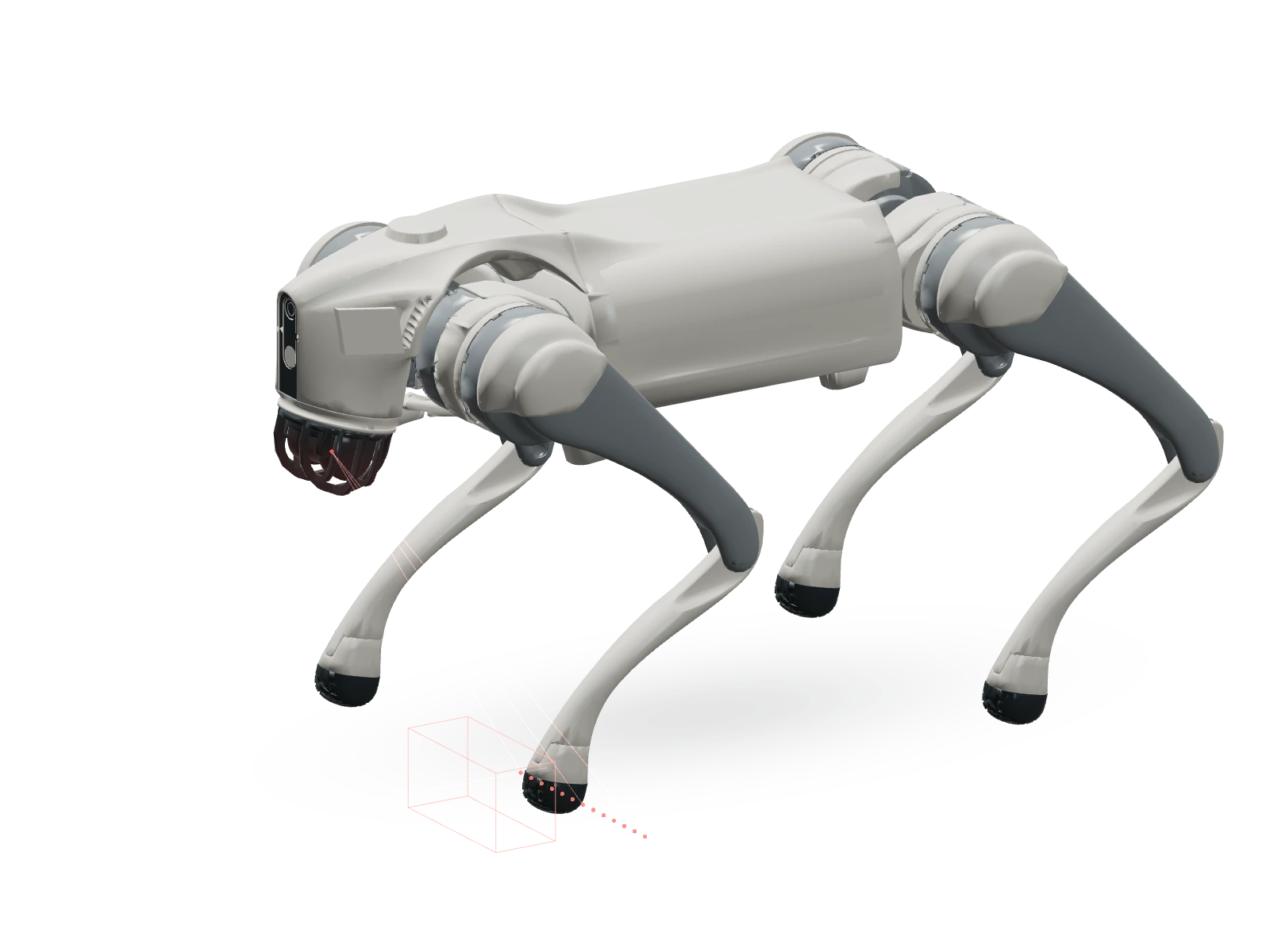
Camera observations reveal the obstacle and its position.
Build on open robot models with a fleet stack that can run locally. Adapt the intelligence to your hardware, tasks, and operating boundaries.
Starting platforms
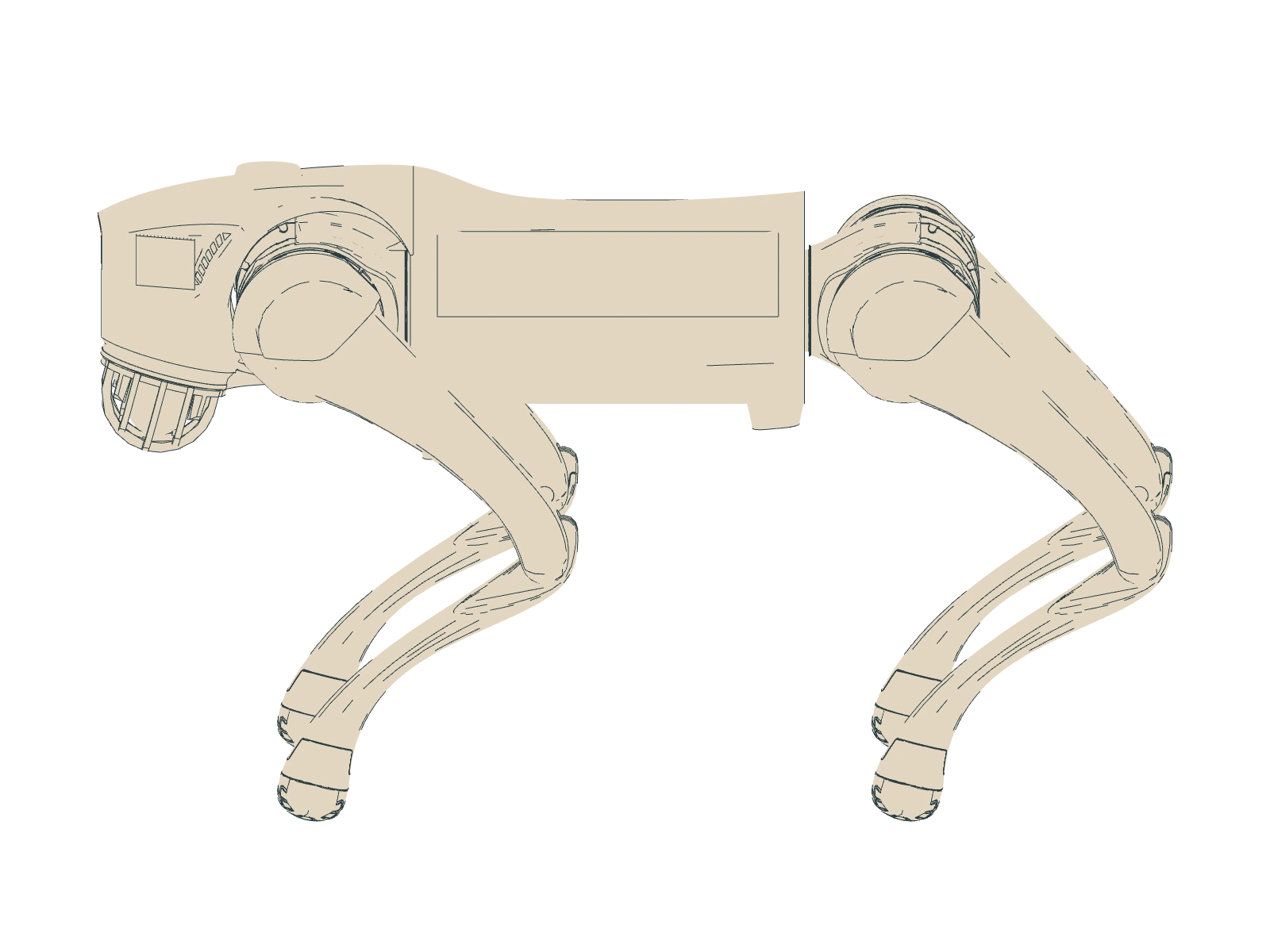
LeRobot SO-101 arms and compatible quadrupeds. Other integrations are scoped with your team.
Explore the methods and engineering behind LibertAI. Published foundations to inspect as you plan a local robotics stack.
Refusal-suppression research on GLM-5.3-Flash.
4-bit quantization and CUDA kernels for running open models locally.
Experimental agent runtime with persistent memory and autonomous action.
Private, decentralized inference on confidential compute.
First integrations are LeRobot SO-101 arms and compatible quadrupeds. For other OEM fleets, we scope integration around your platform, interfaces, and tasks.
Internet requirements depend on the model and what’s available on premises. With a suitable model and local infrastructure, the system can run entirely offline.
Model weights and code, signed and reproducible builds, and network behavior. Independent attestation is part of the product; we agree its scope and evidence for your deployment during evaluation.
Task performance, hardware compatibility, operating conditions, and security requirements. Payload, endurance, and safety depend on the selected platform and use case; they are not certified specifications here.
Tell us what you’re building, which robots you use, and what needs to run locally. We’ll scope an integration or dev-kit pilot together. NDA available.
hello@librerobotics.ai